Cook Island Snorkelling and Turtle Encounters on the Tweed
Cook Island has become one of the Tweed Coast’s best-known marine experiences for a simple reason. A relatively short boat trip can place snorkellers inside a protected reef environment shared with turtles, rays, reef fish and other marine life.
The island, also known as Jungarra Ngarrian, sits about 600 metres offshore from Fingal Head and roughly four kilometres south-east of the Tweed River mouth. The surrounding Cook Island Aquatic Reserve covers about 80 hectares of marine habitat, with hard and soft corals, rocky reef, boulders, walls and caves supporting a varied mix of marine species.
For visitors staying around Kingscliff, Cook Island snorkelling can fit naturally into a wider Tweed Coast holiday. It still deserves more preparation than an ordinary beach swim. Sea conditions can change, wildlife sightings cannot be scheduled, and tour requirements need to be checked against current operator information before the day.
That preparation tends to make the experience better.
Know What You Are Swimming Into Before You Book
Cook Island Aquatic Reserve is a protected marine environment rather than a purpose-built wildlife attraction.
That distinction shapes the entire experience.
The reserve surrounds Cook Island off Fingal Head and protects the reef system beneath and around it. NSW destination information records green sea turtles, stingrays, wobbegongs, reef and pelagic fish, nudibranchs and other marine life in the area. Leopard sharks may also appear over summer, while several threatened or protected species occur within the reserve.
The underwater landscape contributes as much to the experience as the animals. Coral-covered sections, rocky formations and changes in depth create different habitats around the island, so a snorkelling trip can feel more like exploring a living reef than waiting in one place for a turtle to appear.
That is a useful expectation to carry onto the boat.
Go for the Reef Experience and Let the Wildlife Set the Pace
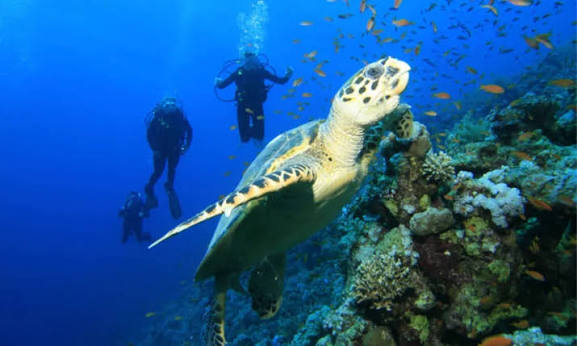
Green sea turtles are strongly associated with Cook Island, and official NSW tourism information describes them as present around the reserve throughout the year.
That does not turn every tour into an identical encounter.
Turtles are wild animals. They decide where they swim, how close they come and how long they remain in view. Water visibility, swell, current, the position of the group and the movement of marine life can all change what snorkellers see.
The same applies to rays, wobbegongs and seasonal species.
A useful way to approach the trip is to think in layers. The reef is the constant attraction. Fish and marine habitat provide the background. Larger animals create the moments people tend to remember.
Cook Island turtles are part of a much larger ecosystem
The appeal of Cook Island turtles can sometimes overshadow everything else beneath the surface.
There is considerably more to notice.
Official descriptions of the reserve include pufferfish, groupers, clownfish, stingrays, wobbegongs and a mix of reef and pelagic fish. Leopard sharks can occur during summer, while protected species including giant Queensland grouper, black rockcod and grey nurse sharks have also been recorded within the marine reserve.
A qualified guide can help less-experienced snorkellers recognise what they are looking at and understand how different animals use the reef.
That context changes the experience from simply spotting wildlife to observing an ecosystem.
Choose a Tour That Matches Your Confidence in the Water
A guided Cook Island trip can suit people with quite different levels of snorkelling experience, although suitability needs to be judged against the actual swimmer and the actual conditions.
Current destination information for a Tweed operator, Snorkel with the Turtles, states that beginners are welcome provided they are comfortable in the water. The operator currently advertises flotation aids on request and an age requirement of 10 years and over. Its listed trips begin in the Tweed Heads area with equipment fitting and a safety briefing before travelling to Cook Island.
Those details are useful for planning, although they should be checked again before booking because operator requirements can change.
Families should assess swimming ability before age alone
For families with older children, age gives only part of the picture.
A child who regularly swims in open water may feel comfortable in conditions that another child of the same age finds intimidating. Ocean movement, wearing a mask, breathing through a snorkel and entering from a boat can all feel unfamiliar on a first trip.
Before booking, we suggest checking:
- the operator’s current minimum age
- the swimming ability expected
- whether flotation equipment is available
- how guests enter and leave the water
- the expected time spent snorkelling
- whether a guide remains with the group
- what happens if someone decides not to enter the water
A family trip works best when nobody feels pressured to keep up.
Check the Conditions First and Build the Day Around the Ocean
Cook Island may be close to shore, but it is still an offshore marine environment.
Wind, swell, currents and visibility influence the experience. Tweed Shire Council specifically warns that tidal currents in local waterways can be strong, reinforcing the value of following current marine advice rather than relying on how calm the coast looked the previous afternoon.
Qualified operators make decisions around conditions as part of running offshore trips. Guests should expect schedules to remain subject to the ocean.
That can mean changed departure times, altered plans or cancellations if conditions are unsuitable.
Use current tour information rather than an old holiday itinerary
Tour details found in an older blog post or saved social media page may no longer reflect the present operation.
Current Tweed destination information lists guided turtle snorkelling departures from the Tweed Heads area and describes a qualified crew, equipment fitting and safety briefing before the trip to Cook Island. It also currently lists the experience for participants aged 10 and above who are comfortable in the water.
Before committing to the day, confirm directly with the chosen operator:
departure location, check-in time, trip duration, minimum age, swimming requirements, equipment supplied, cancellation arrangements and any weather-related instructions.
Those details are more useful than assuming all Tweed snorkelling tours operate in the same way.
Treat the Reserve Like a Wildlife Habitat
The best turtle encounter is usually the one that allows the animal to behave normally.
Cook Island Aquatic Reserve exists to protect marine biodiversity, and recreation takes place inside that protected environment. The reserve supports threatened and protected species alongside common reef life, so calm observation should take priority over trying to force a closer encounter.
Follow the guide’s instructions in the water. Give turtles and other animals room to move. Avoid chasing wildlife for photographs or blocking its direction of travel.
A turtle swimming naturally across the reef is a better encounter than one surrounded by people competing for the same photograph.
The same restraint applies around coral and rocky habitat. Good buoyancy and controlled fin movement help reduce accidental contact with the reef.
For beginners, that is another argument in favour of a guided trip.
Pack for the Boat Trip as Carefully as the Snorkel
People often think about the mask and forget about everything surrounding the swim.
An offshore trip may involve sun, wind, boat movement and wet clothing before and after the snorkelling itself. The operator should provide the definitive packing advice, particularly because equipment inclusions vary.
Useful things to confirm include whether the trip supplies a mask, snorkel, fins, wetsuit or flotation device, and whether guests need to arrive wearing swimmers.
Sun protection deserves attention too. A hat and suitable protective clothing can help during time on the boat, while any sunscreen used around the marine environment should be selected and applied in line with current operator guidance.
People who are prone to seasickness may also want to consider their usual management strategy before departure and seek professional medical advice if they are unsure what is appropriate for them.
Then there is the simple comfort of something dry to put on afterwards.
Small details become noticeably less small once the boat is moving.
Leave Enough Flexibility for Conditions to Change
A tightly packed holiday itinerary works poorly around offshore activities.
If the morning snorkelling trip is followed immediately by a fixed lunch reservation, another tour and a long drive, a weather change can turn one adjustment into several.
We generally suggest giving an ocean activity some breathing room.
That may mean keeping the rest of the day relatively flexible or planning nearby activities that can move around if the departure changes.
Fingal Head itself offers a natural extension to the day. Fingal Head Beach sits on the narrow peninsula between the Pacific Ocean and Tweed River, while the headland is known for its distinctive basalt formations. Cook Island lies offshore from this same stretch of coast.
A snorkelling morning can therefore sit comfortably alongside a quieter coastal afternoon rather than becoming one appointment in a crowded schedule.
Make Cook Island One Part of a Better Tweed Coast Stay
For guests staying in Kingscliff, Cook Island is close enough to include without making the entire holiday revolve around one excursion.
That is one of the advantages of using the Tweed Coast as a base.
A few days can combine snorkelling near Kingscliff with beach time, coastal walks, swimming, dining and other activities around Kingscliff, Fingal Head and the wider region. Our local activity guide covers more options for building a trip around the coast rather than filling every day with long drives.
Accommodation choice can support that approach.
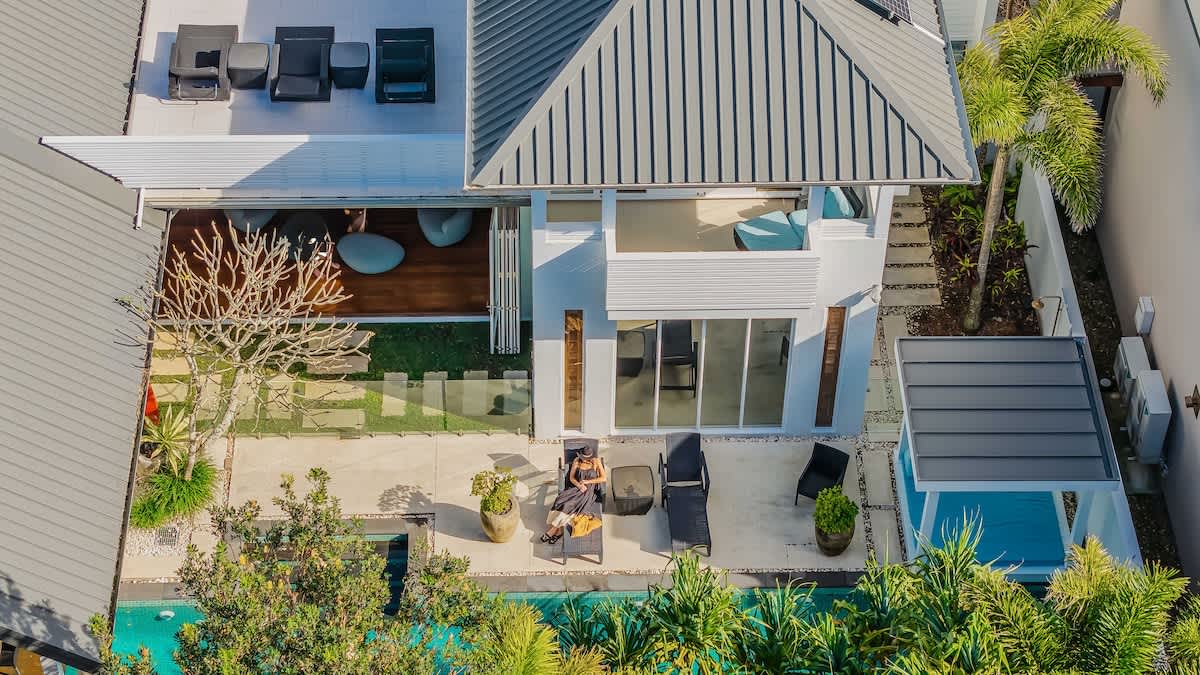
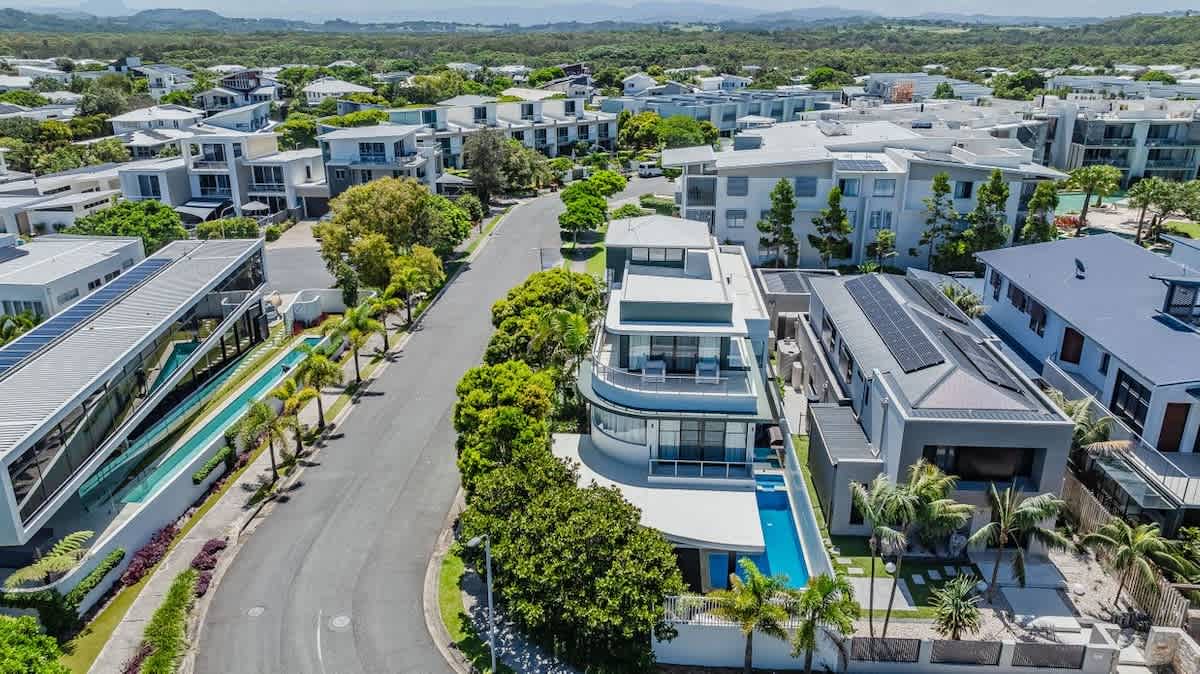
A coastal holiday home gives couples and families room to return from the water, rinse off, have a slower afternoon and decide what to do next without needing every meal or activity booked in advance. Our accommodation range includes holiday homes across Kingscliff and nearby Tweed Coast locations for different group sizes and styles of stay.
The snorkelling trip becomes one memorable part of the holiday rather than the logistical centre of it.
Questions Worth Answering Before You Pull on a Mask
Are you guaranteed to see turtles at Cook Island?
No wildlife encounter should be treated as guaranteed. Green sea turtles are strongly associated with Cook Island and official destination information describes them as present throughout the year, but individual sightings and the nature of each encounter vary.
A better expectation is to book for the complete marine reserve experience and regard close wildlife encounters as part of what may unfold.
Can beginners snorkel at Cook Island?
Yes, some guided trips currently cater for beginners. One presently listed local operator states that beginners are welcome if they are comfortable in the water and offers flotation aids on request.
Swimming requirements and sea conditions still need to be checked before the trip.
Is Cook Island snorkelling suitable for children?
It can suit families with older children who meet the chosen operator’s requirements and are comfortable in open water. The current Snorkel with the Turtles listing specifies ages 10 and above.
Parents should assess confidence, swimming ability and comfort with boat-based snorkelling rather than relying on age alone.
What marine life can you see besides turtles?
The reserve supports a broad range of marine life including reef fish, stingrays, wobbegongs and nudibranchs. Leopard sharks may occur during summer, and several threatened or protected fish and shark species have also been recorded there.
Individual sightings remain variable because the animals are wild.
Can you snorkel to Cook Island from Fingal Head?
Cook Island is approximately 600 metres offshore from Fingal Head.
That distance should not be treated as a simple recreational beach swim. Offshore currents, vessel traffic, changing conditions and individual swimming capability all need to be considered. Visitors seeking the usual Cook Island wildlife experience are better served by checking a qualified guided operator.
What happens if the weather is poor?
The ocean determines whether offshore snorkelling conditions are suitable. Operators may change or cancel trips because of wind, swell, visibility or other safety considerations.
Check the current operator’s advice and cancellation or rescheduling policy before arranging the rest of the day around the tour.
Where should we stay if Cook Island is part of our holiday?
Kingscliff works well as a coastal base when Cook Island is one activity within a wider Tweed Coast itinerary.
From here, guests can combine marine experiences with local beaches, dining and other coastal activities while returning to a self-contained holiday home between outings. Our accommodation search lets you compare current homes by dates, group size and the features that suit your stay.
Leave Room in the Plan for the Wild Part
Cook Island snorkelling is memorable precisely because the outcome cannot be completely controlled.
The reef is there. The protected marine habitat is there. Turtles and other animals move through it on their own terms.
Good planning means choosing a qualified operator, checking the current requirements, being realistic about swimming ability and accepting that conditions can change. Once those pieces are in place, the rest of the experience can unfold as it should.
For visitors planning several days on the Tweed Coast, we recommend treating Cook Island as one part of the trip and choosing a coastal base that makes the rest of the holiday equally easy to enjoy.
Explore our coastal holiday homes and build your Kingscliff stay around the beaches, wildlife and experiences you most want to see.